
Acute Bronchitis: Symptoms and Treatment - Dr Yeung Ho Hong 楊浩康
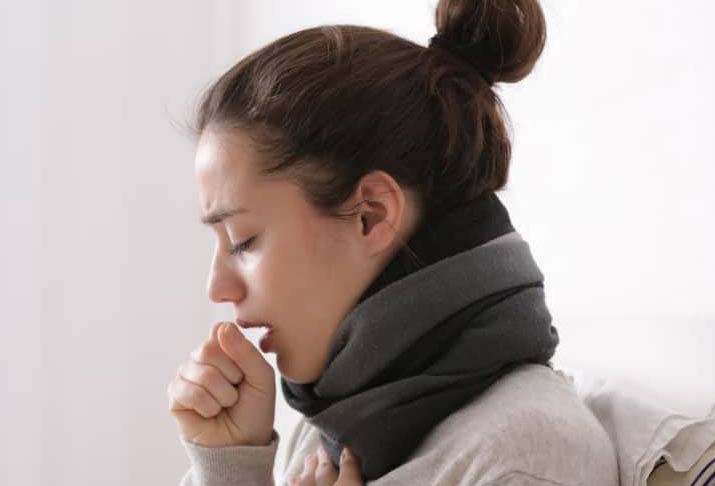
Acute Bronchitis: Causes, Symptoms, and Comprehensive Management
Acute bronchitis is a coughing illness caused by acute inflammation of the trachea and large airways, typically without signs of pneumonia. This condition is most commonly triggered by viral infections, such as rhinovirus, enterovirus, influenza A and B, and respiratory syncytial virus, while bacterial infections account for only a small minority of cases (approximately 1% to 10%). Additionally, a few cases may be caused by atypical bacteria, including Mycoplasma pneumoniae, Chlamydophila pneumoniae, and Bordetella pertussis. After these viruses or bacteria invade, they provoke an inflammatory response in the respiratory tract, leading to increased cellular secretions and excessive mucus production in the airways, which in turn triggers coughing symptoms.
Symptoms of Acute Bronchitis
The clinical symptoms of acute bronchitis vary, but its hallmark feature is the sudden onset of a cough, typically lasting about two to three weeks. Initially, patients may experience mild fever and throat discomfort, but as the condition progresses, the cough may intensify, particularly at night, making it difficult to sleep. Patients often report pain beneath the sternum or in the chest wall, resulting from localized muscle strain due to repeated coughing, compounded by the spread of inflammation, causing discomfort.
Furthermore, acute bronchitis is often accompanied by sputum production. Although the sputum may sometimes appear purulent, this does not necessarily indicate a bacterial infection; rather, it is a result of the inflammatory response. Other common symptoms include shortness of breath, nasal congestion, headache, and sore throat. During physical examination, some patients may exhibit wheezing or rhonchi upon lung auscultation. About one-third of patients experience mild fever in the early stages, though this typically subsides as the illness progresses.
In diagnosing acute bronchitis, physicians must carefully rule out other more serious conditions that could cause coughing, such as asthma, chronic obstructive pulmonary disease, pneumonia, or heart failure. Accurate diagnosis generally relies on a detailed medical history, physical examination, and, when necessary, supplementary tests like a chest X-ray to confirm the absence of pneumonia.
Treatment and Care Recommendations
Treatment for acute bronchitis primarily focuses on symptomatic relief. For most cases, patients can promote sputum clearance and alleviate symptoms by getting adequate rest and staying well-hydrated, while avoiding irritants such as smoke and pollutants. In cases with more severe symptoms, medications may be required to improve respiratory function, such as β2-agonists to dilate the bronchi and relieve breathing difficulties. If a bacterial infection is suspected, a doctor may prescribe a short course of antibiotics based on the specific circumstances, though this applies to only a small minority of cases.
Additionally, patients should pay attention to managing the body’s inflammatory response. If severe coughing leads to chest pain, appropriate use of analgesics and antipyretics can help ease symptoms. In terms of home care, maintaining good indoor air circulation, avoiding extreme temperature fluctuations that could irritate the airways, and ensuring a balanced diet rich in vitamins and minerals can bolster immune function and aid recovery.
There are also common misconceptions to address. For instance, some people believe acute bronchitis is just a common cold with mild, short-lived symptoms. In reality, the cough associated with acute bronchitis often persists for weeks and is more severe. Others mistakenly assume that all coughs require antibiotics, but since most cases of acute bronchitis are viral in origin, antibiotics are ineffective and may even cause unnecessary side effects.
In summary, acute bronchitis is a common inflammatory respiratory condition primarily caused by viral infections, though it may also result from bacteria or atypical pathogens. Through accurate diagnosis, symptomatic treatment, and proactive lifestyle adjustments—such as sufficient rest, moderate exercise, adequate hydration, and maintaining a healthy environment—patients can typically relieve symptoms and return to normal life within two to three weeks. However, if symptoms worsen or persist without improvement, prompt medical attention is essential to prevent complications due to delayed treatment.