
Skin mass ? Is it Molluscum Contagiosum - Dr Yeung Ho Hong 楊浩康
Molluscum Contagiosum: Etiology, Clinical Presentation, and Treatment Strategies
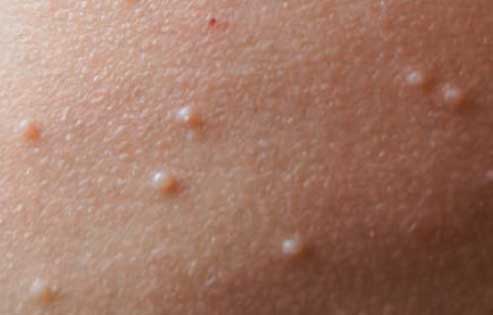
Molluscum contagiosum is a skin infection caused by a poxvirus, most commonly seen in children, though it occasionally affects adults as well. This viral infection typically presents as small, round, smooth-surfaced, flesh-colored nodules on the skin, often with a noticeable central indentation. Although the condition is benign, its highly contagious nature and tendency to appear in clusters can cause significant distress to patients and their families.
Transmission of infectious molluscum contagiosum
.Molluscum contagiosum spreads primarily through direct skin contact or indirect contact, such as sharing toys, towels, or other personal items. Once infected, the virus can spread from one part of the body to another through scratching or friction, a process known as autoinoculation, which rapidly increases the number of lesions. Therefore, maintaining good hand hygiene and avoiding scratching are critical measures to prevent further spread.
Common treatments
In most cases, molluscum contagiosum resolves spontaneously within a few months without specific treatment. However, for patients with numerous lesions or those whose quality of life is affected by cosmetic concerns, medical intervention may be recommended. Common treatment options include topical salicylic acid ointment, cryotherapy, laser therapy, and, when necessary, minor surgical excision of the lesions. Salicylic acid softens the keratin layer, promoting lesion shedding, while cryotherapy uses liquid nitrogen to rapidly freeze the affected tissue, allowing it to slough off naturally after freezing.
Laser therapy precisely targets the lesions, offering an effective solution while minimizing damage to surrounding healthy skin. For cases with numerous or persistent lesions, surgical excision can completely remove the infected areas and provide tissue for pathological examination to confirm the diagnosis. In individuals with weakened immunity or infections in specific areas, doctors may assess the situation comprehensively and recommend a more tailored treatment plan.
It is worth noting that, despite being a self-limiting condition, molluscum contagiosum is often misunderstood by patients and parents. Some believe that treatment is urgently required as long as lesions persist, overlooking the fact that the condition typically resolves on its own under normal circumstances. Others mistakenly assume that the lesions will inevitably leave noticeable scars, leading to excessive concern about treatment risks. In reality, with appropriate treatment and proper skin care, most cases do not result in prominent scarring.
In adults, molluscum contagiosum is sometimes associated with sexual transmission, particularly requiring careful diagnosis and treatment in individuals with compromised immune function. For both children and adults, regular skin examinations and early recognition are vital for managing the condition. Adopting healthy habits—such as avoiding sharing personal items with infected individuals and maintaining clean skin and environments—can help reduce the incidence of molluscum contagiosum.
In summary, molluscum contagiosum is a common benign viral infection that often resolves spontaneously within months. However, due to its high contagiousness and impact on appearance, proactive prevention and appropriate treatment remain essential for patients and their families. Through scientific care methods and proper treatment plans, lesion spread can be effectively controlled, improving quality of life. For persistent symptoms or concerns about an increasing number of lesions, early medical consultation is advised to determine the best treatment approach, promoting skin health and supporting a normal lifestyle.