
Scarlet Fever: Symptoms, Causes, and Prevention - Dr Yeung Ho Hong 楊浩康
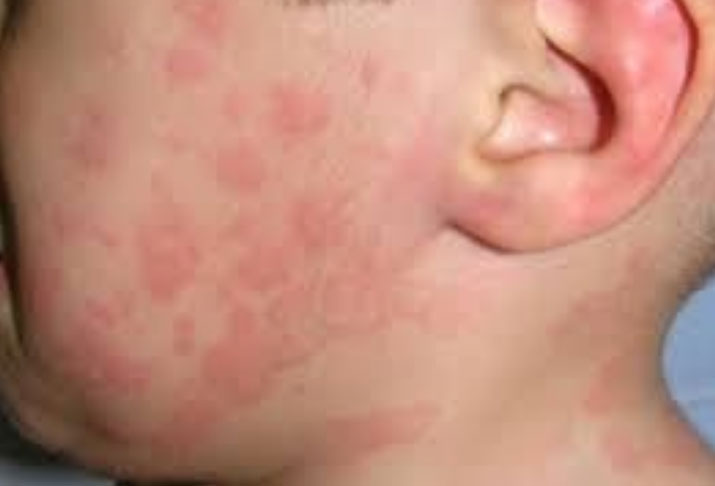
Scarlet Fever: Symptoms, Causes, and Prevention
Scarlet fever is a bacterial infection caused by Group A Streptococcus, primarily affecting children aged 5-15. It often arises as a complication of streptococcal pharyngitis, where bacterial toxins trigger an immune response, leading to a characteristic sandpaper-like rash on the skin. This rash typically accompanies a sore throat, high fever, and swollen lymph nodes. Though rare in developed countries, outbreaks can still occur in certain communities or seasons, posing a potential threat to children's health.
Causes and Transmission
Scarlet fever is caused by Group A Streptococcus infection. This bacterium can cause simple streptococcal pharyngitis, but in some cases, it releases toxins, triggering a systemic reaction that results in scarlet fever. It spreads mainly through respiratory droplets or contact with contaminated objects. Coughing or sneezing by an infected person disperses the bacteria, facilitating rapid spread in homes, schools, or daycare centers.
Clinical Presentation
Common symptoms include sore throat, high fever, headache, and general fatigue. Within 1-2 days of onset, a red, sandpaper-like rash appears on the child’s skin, typically starting on the trunk and potentially spreading to the limbs, though the face is less affected. The rash may show localized erosion, crusting, or bleeding, and some patients may experience taste changes or mouth ulcers. Severe cases can lead to complications like pneumonia, sepsis, kidney damage, or rheumatic fever, the latter potentially causing permanent heart damage.
Difference from Streptococcal Pharyngitis
Streptococcal pharyngitis presents with sore throat, fever, and redness but lacks a prominent rash. Scarlet fever builds on this with a toxin-induced rash, a key diagnostic distinction. Early diagnosis and treatment prevent toxin spread and reduce complication risks.
Common Misconceptions
Some parents view scarlet fever as a highly severe, fatal disease, leading to excessive anxiety and frequent medical visits or drug overuse. Others believe treating the throat infection alone suffices, ignoring skin changes and potential complications. In reality, most cases resolve fully within 1-2 weeks with proper antibiotic treatment, though delayed care or mismanagement can worsen outcomes.
Treatment and Care Measures
The standard treatment is a full course of antibiotics to eliminate bacteria and lower complication rates. Mild cases can use fever-reducing pain relievers to ease sore throat and fever, alongside adequate hydration to expel toxins. Supportive care, such as warm saltwater gargles, good ventilation, and rest, aids recovery. Severe cases or those at risk of complications require aggressive treatment and close monitoring under medical supervision.
Prevention is key to controlling scarlet fever spread. Good hygiene—frequent handwashing and avoiding close contact with symptomatic individuals—reduces infection risk. Schools and daycare centers should enhance sanitation and ensure children with symptoms receive at least 24 hours of antibiotic treatment before returning, a critical step to curb outbreaks.
In a clinical case, an 8-year-old child presented with severe sore throat, fever, and fatigue, initially diagnosed as streptococcal pharyngitis. As the condition progressed, parents noticed a sandpaper-like rash on the trunk and limbs. With timely antibiotics and supportive care, the child recovered fully within two weeks, with follow-ups showing no complications.
In summary, scarlet fever is a bacterial infection caused by Group A Streptococcus, marked by throat symptoms and a sandpaper-like rash. Timely diagnosis, appropriate antibiotics, and thorough supportive care enable most children to recover within 1-2 weeks. Understanding its causes and symptoms, paired with targeted prevention, reduces transmission and prevents severe complications, safeguarding children’s overall health.