
Living with Gout and How to Manage It
by Dr Yeung Ho Hong (楊浩康)
Lifestyle and Management Strategies for Gout Patients
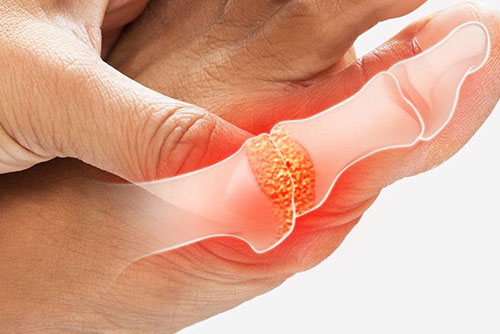
Gout is an acute arthritis caused by uric acid crystal deposits in joints, often accompanied by severe pain, redness, swelling, and limited mobility. While medication is crucial for control, daily lifestyle adjustments are equally important. Below are specific methods to effectively manage gout, covering diet, lifestyle, and other details, while addressing common misconceptions.
1. Weight Loss: Reducing Uric Acid from the Source
Being overweight or obese increases uric acid production and reduces excretion, triggering gout attacks. Studies show a 10% weight reduction significantly lowers blood uric acid levels. For example, a 45-year-old patient, Xiao Li (pseudonym), 20 kg overweight, experienced frequent gout attacks. After a six-month weight loss plan (balanced diet and moderate exercise), he lost 12 kg, reducing attacks from monthly to once every six months. Weight loss should be gradual, avoiding extreme dieting, as rapid weight loss can spike uric acid and worsen symptoms.
2. Dietary Adjustments: Scientifically Choosing Foods
Diet is central to gout management, but many patients misunderstand, thinking all proteins should be avoided. The focus is on limiting high-purine foods and opting for healthy alternatives:
- Reduce Alcohol Intake: Alcohol, especially beer (including non-alcoholic), inhibits uric acid excretion. Patient Lao Wang (pseudonym) drank two beers nightly and suffered frequent attacks. Switching to occasional red wine markedly improved his symptoms.
- Avoid Sugary Drinks: Soda and fructose drinks raise uric acid levels. Research shows daily sugary drink consumers have an 85% higher gout risk.
- Limit High-Purine Meats and Seafood: Red meat (beef, lamb), organ meats (liver, kidney), and certain seafood (shrimp, lobster, sardines) should be minimized. A common myth is all seafood is harmful, but low-purine options like salmon and cod are safe.
- Balanced Diet: Increase intake of vegetables (except spinach and mushrooms, which are slightly high in purines), fruits (like cherries, which lower uric acid), whole grains, and low-fat dairy. Dairy casein promotes uric acid excretion.
3. Limit Unhealthy Fats and Sugars
Saturated fats (e.g., fried foods) reduce kidney uric acid excretion, while excess sugar burdens metabolism. Patients should avoid processed foods like fries and desserts, opting for healthy fats from olive oil or nuts.
4. Managing Acute Gout Attacks
During attacks, pain and swelling are unbearable. Use these measures:
- Ice the Area: 15-20 minutes, several times daily, effectively reduces inflammation.
- Elevate the Limb: Promotes blood flow, easing swelling.
- Rest the Joint: Avoid activity to prevent worsening. Patient Xiao Zhang (pseudonym) walked during an attack, prolonging pain to a week; resting sped recovery.
5. Hydration: Boost Uric Acid Excretion
Drinking 2-3 liters of water daily dilutes uric acid and speeds excretion. Many dismiss this, thinking “water doesn’t help.” In fact, dehydration concentrates urine, raising crystal risk. Unsweetened coffee and tea offer mild diuretic benefits.
6. Exercise: Moderate, Not Excessive
Moderate exercise (e.g., walking, swimming) aids weight control and metabolism, but intense exercise (e.g., marathons) may increase uric acid via muscle breakdown. Avoid exercise during attacks to prevent joint strain.
7. Common Misconceptions Clarified
- Misconception 1: All fruits are safe—pineapple and oranges are healthy but excess fructose can harm; consume moderately.
- Misconception 2: Vegetarian diets are risk-free—some vegetables (e.g., asparagus) and beans have purines, though less impactful than meat.
- Misconception 3: Gout is only diet-related—genetics, kidney function, and medications (e.g., diuretics) also play roles.
8. Mental Health and Support
Recurrent gout can lead to anxiety or depression. Joining support groups or consulting doctors regularly eases mental strain. Patient Xiao Chen (pseudonym) felt inferior due to work-affected gout; after joining a group, he accepted his condition, adjusted his life, and saw fewer attacks.
9. Collaborate with Your Doctor
Consult a doctor before diet or lifestyle changes. Some patients stop meds or rely on remedies (e.g., vinegar), causing uric acid spikes. Doctors can adjust drugs (e.g., allopurinol) or check for underlying issues (e.g., kidney disease).
Conclusion
Managing gout requires patience and discipline. Through weight loss, scientific diet, proper attack response, and medical guidance, patients can control the condition and improve quality of life. Start small—drink an extra glass of water or skip a bite of red meat—for significant long-term change.
Reference link: National Institutes of Health (NIH): Gout